Feast day: November 2
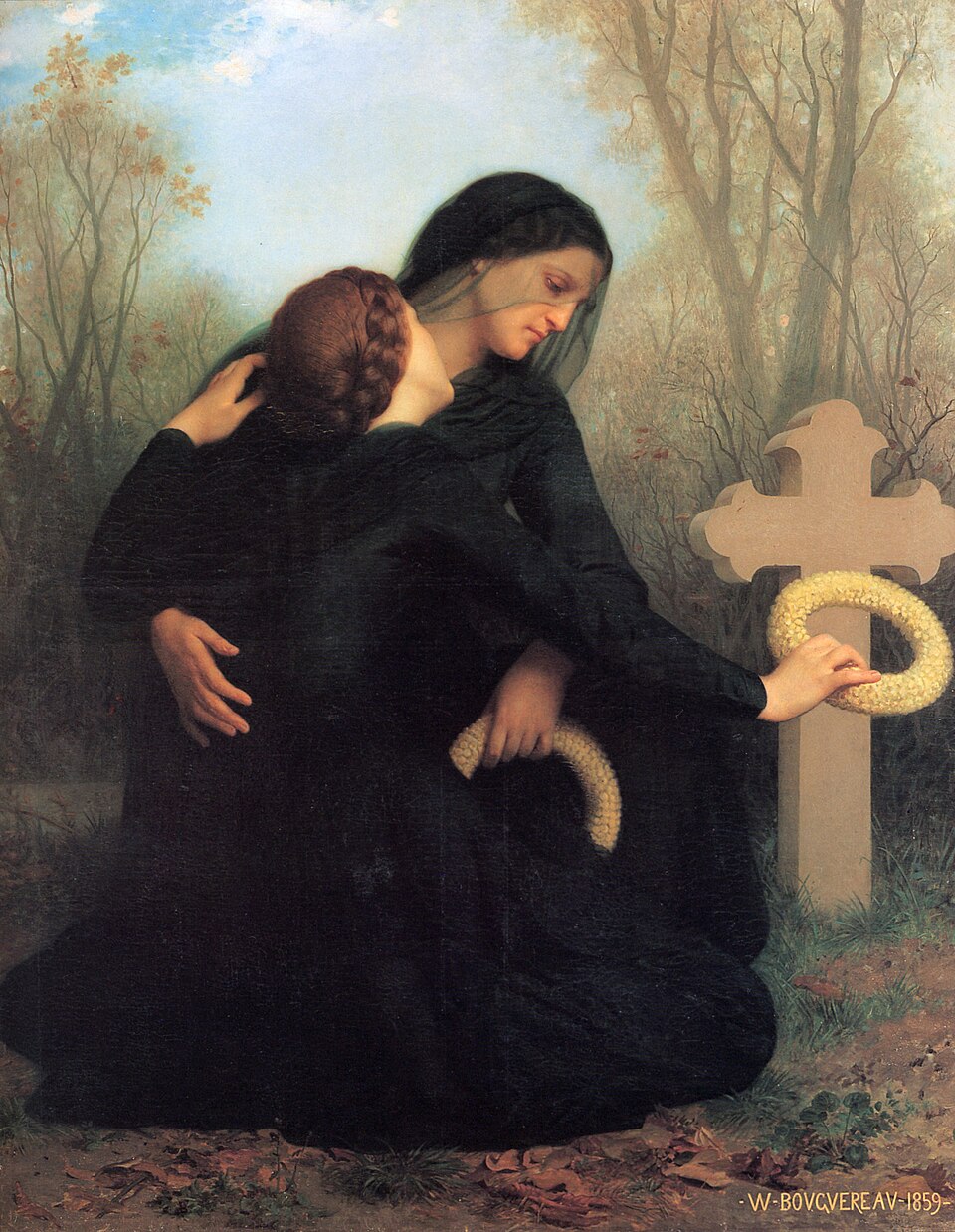
All Souls' Day
The day after All Saints, the Church prays for all the dead still being purified, trusting them to God's mercy — a feast of remembrance, hope, and the bond between the living and the dead.
The day after the Church celebrates all the saints in glory, it turns to pray for all the faithful departed who have died and are still being purified before they enter that glory. The two days belong together: All Saints honors those who have reached their goal; All Souls remembers those still on the way and entrusts them to God's mercy.
The custom of a fixed day of prayer for all the dead was given lasting form by St. Odilo, abbot of Cluny, who around the year 998 decreed that all the monasteries under his great network should keep November 2 as a commemoration of the departed. The practice spread quickly through the Western Church and was eventually adopted everywhere.
Behind the feast lies the ancient Christian conviction, rooted in Scripture, that it is 'a holy and wholesome thought to pray for the dead, that they may be loosed from their sins.' The living and the dead remain bound together in one communion, and the prayers, alms, and Masses offered by those on earth are believed to aid those being purified.
The day is marked across the world by visits to cemeteries, the blessing of graves, and the lighting of candles for the dead — customs that vary from country to country but everywhere express the same hope: that death does not sever the bonds of love, and that the departed are held safe in the mercy of God until the resurrection.
It grew from a monk's decree at Cluny in 998 that all his monasteries pray for the dead the day after All Saints — and the custom spread to the whole Church.
“Eternal rest grant unto them, O Lord, and let perpetual light shine upon them.”
— All Souls' Day
Image: William-Adolphe Bouguereau (Public domain), via Wikimedia Commons.
Source: newadvent.org/cathen/01315b.htm
Get a story like this every Sunday.