Feast day: August 15
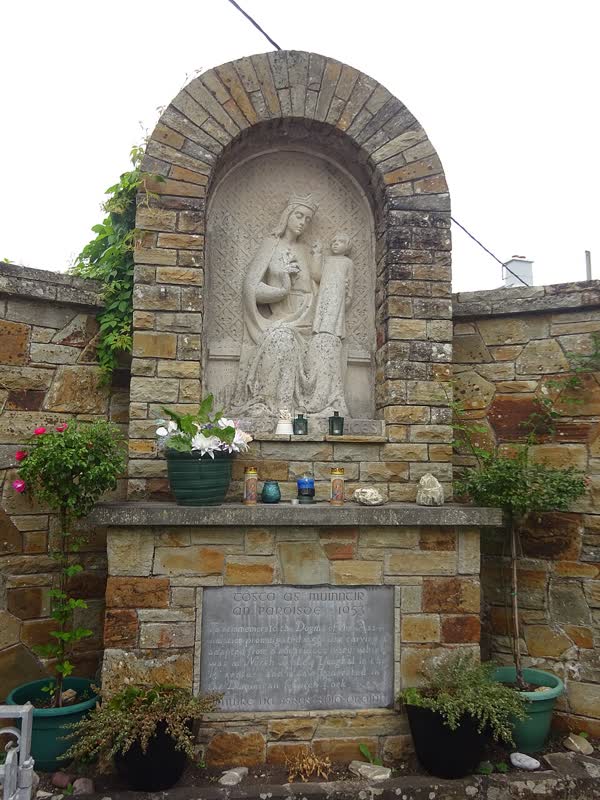
Assumption of the Blessed Virgin Mary
The solemnity celebrating Mary's being taken body and soul into heaven at the end of her earthly life — defined as dogma in 1950, believed since the early centuries.
The Assumption, kept on August 15, is the greatest of the feasts of the Blessed Virgin Mary. It celebrates the belief that at the end of her earthly life Mary was taken up, body and soul, into the glory of heaven — not left to await the resurrection of the dead like the rest of humanity, but already sharing, in her whole person, in the risen life of her Son.
This belief is among the most ancient in the Church. In the Christian East it has been celebrated since at least the fifth or sixth century under the name of the 'Dormition' — the 'falling asleep' of Mary — and the feast spread early throughout the whole Church, kept everywhere on the fifteenth of August as her principal festival. The Scriptures do not describe the end of her life, and the Church has never defined exactly how or where she died.
What it does hold is the destiny: that she who had borne the Lord in her body, and who had been preserved from all sin, should not see her body suffer corruption, but be glorified at once. In 1950 Pope Pius XII solemnly defined this as a dogma of the faith — that Mary, 'having completed the course of her earthly life, was assumed body and soul into heavenly glory.'
For the Church the feast is a great sign of hope. In Mary, taken up entire into glory, the faithful see the promise of their own destiny — that the body is not despised but redeemed, and that those who belong to Christ will share in his resurrection. She goes before her people as the first to follow her Son fully into heaven, and is honored there as its queen.
No church has ever claimed the bones of Mary. For apostolic-era figures, that silence is itself the argument.
Image: Sheila1988 (CC BY-SA 4.0), via Wikimedia Commons.
Source: newadvent.org/cathen/02006b.htm
Get a story like this every Sunday.
← St. Maximilian Kolbe · All saints · St. Stephen of Hungary →