Feast day: August 29
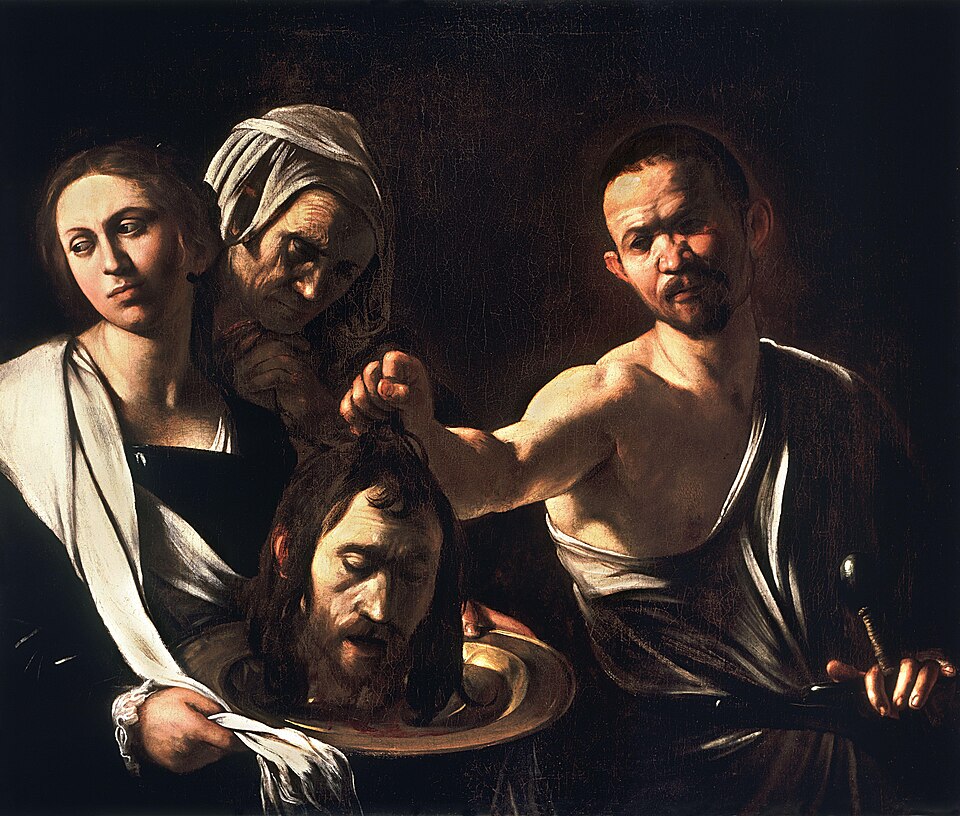
The Passion of St. John the Baptist
Commemorates the beheading of John the Baptist, imprisoned for rebuking King Herod's unlawful marriage and executed at the whim of a dancing girl's request.
On August 29 the Church commemorates the martyrdom — the 'passion,' or suffering — of St. John the Baptist, the forerunner of Christ, beheaded by order of Herod Antipas, the ruler of Galilee. Having already celebrated John's birth in June, the Church now keeps the day of his death, honoring the prophet who bore witness to the truth with his life as well as his preaching.
John's fearless preaching of repentance had spared no one, not even the ruler. Herod had taken Herodias, his own brother's wife, in an unlawful union, and John denounced it openly: 'It is not lawful for you to have her.' For this Herod had him arrested and imprisoned — drawn to listen to the strange, compelling preacher even as he feared and resented him — while Herodias nursed a deadly grudge.
Her chance came at Herod's birthday banquet. Her daughter danced before the king and his guests and so delighted him that he swore a rash oath to give her whatever she asked, even to half his kingdom. Prompted by her vengeful mother, the girl demanded the head of John the Baptist on a platter. Trapped by his oath and unwilling to lose face before his guests, the weak king gave the order, and John was beheaded in the prison.
So died the last and greatest of the prophets, the voice crying in the wilderness, killed for telling a king an unwelcome truth about his own life. The Church honors his passion as a martyrdom for justice and for the moral law — the witness of a man who, as Jesus said, was a 'burning and shining lamp,' and who would rather die than be silent before sin.
The last of the prophets died for telling a king the truth about his marriage — silenced by a rash oath sworn over a banquet.
Image: Caravaggio (Public domain), via Wikimedia Commons.
Source: newadvent.org/cathen/08486b.htm
Get a story like this every Sunday.