Feast day: December 20
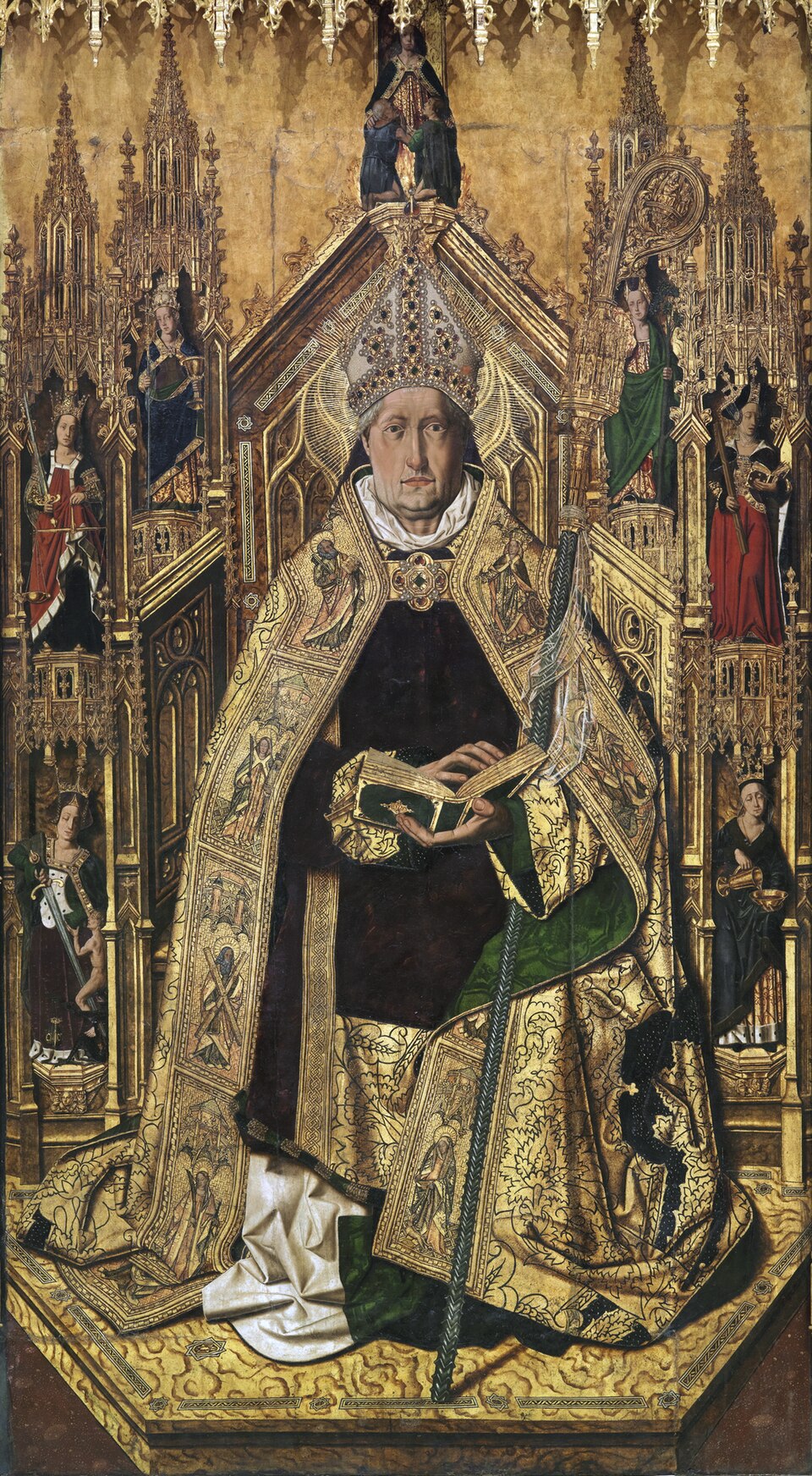
St. Dominic of Silos
A Spanish shepherd-turned-monk who, as abbot of Silos, rebuilt his monastery into a center of art and learning and was famed for ransoming Christians from Moorish captivity.
Dominic of Silos was an eleventh-century Spanish Benedictine, born about 1000 to a peasant family in the kingdom of Navarre, who spent his youth as a shepherd in the hills — a solitude that nurtured his love of prayer — before becoming a monk and rising to be prior of his monastery.
A conflict with the king of Navarre over the rights and property of his monastery led to his exile. He took refuge in the neighbouring kingdom of Castile, whose king received him warmly and entrusted to him a run-down, half-ruined old monastery at Silos. Dominic's gifts now flowered: he rebuilt and reformed the abbey, raised it to fame for its holiness, learning, and beautiful craftsmanship, and made it one of the spiritual centres of Christian Spain.
He was renowned in his lifetime as a worker of miracles and, above all, as a liberator of captives — for these were the years of the long struggle with the Moors, and many Christians languished in Muslim captivity. Dominic was credited with freeing great numbers of them, and his shrine became a place of pilgrimage for their families.
He died at Silos in 1073. A century later, a woman who had prayed at his tomb for a son bore a child whom she named Dominic in thanksgiving — Dominic de Guzmán, the future founder of the Dominican Order. From this came the long tradition by which the staff of St. Dominic of Silos was brought to Spanish queens in childbirth, making him a patron of expectant mothers.
Centuries later a mother who prayed at his tomb named her son Dominic in thanks — that boy grew up to be St. Dominic, founder of the Dominicans.
Image: Bartolomé Bermejo (Public domain), via Wikimedia Commons.
Source: newadvent.org/cathen/02443a.htm
Get a story like this every Sunday.